Blog
Disclaimer : This read may take about 5–6 minutes. Grab a coffee—or don't—and let's explore the world AR is building.

Arjun Patel, Head of Immersive Innovation
Not all AR is created equal. The choice between WebAR and App AR can define your user experience, engagement rates, and even ROI. Pick the wrong format, and you risk underwhelming your audience—or locking yourself into costly development without the right fit.
A couple of years ago, I noticed our clients were creating app-based AR experiences that few users downloaded. At the same time, web-based complementary experiences had impressive engagement—but limited functionality. So I launched side-by-side pilots:
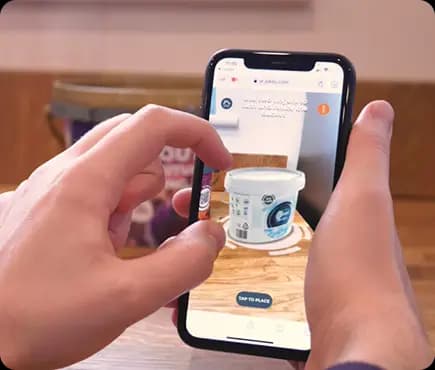
A WebAR campaign for a packaging reveal, no downloads, 60% scan rate.
A dedicated AR app for internal equipment training—with headset integration—and saw 90% adoption among staff in two weeks.
That moment reframed everything: both formats work—but in different scenarios.
No install, browser-based
No install, browser-based
Requires download/install
Requires download/install
No install, browser-based
No install, browser-based
Requires download/install
Requires download/install
Fast and lightweight
Fast and lightweight
More complex setup
More complex setup
Fast and lightweight
Fast and lightweight
More complex setup
More complex setup
Basic, often marker-based
Basic, often marker-based
Advanced—SLAM, depth, environment mapping
Advanced—SLAM, depth, environment mapping
Basic, often marker-based
Basic, often marker-based
Advanced—SLAM, depth, environment mapping
Advanced—SLAM, depth, environment mapping
Great for marketing & quick demos
Great for marketing & quick demos
Ideal for immersive, repeat-use cases
Ideal for immersive, repeat-use cases
Great for marketing & quick demos
Great for marketing & quick demos
Ideal for immersive, repeat-use cases
Ideal for immersive, repeat-use cases
Limited
Limited
Full access (camera, sensors, performance)
Full access (camera, sensors, performance)
Limited
Limited
Full access (camera, sensors, performance)
Full access (camera, sensors, performance)
Low
Low
Higher (updates, compatibility)
Higher (updates, compatibility)
Low
Low
Higher (updates, compatibility)
Higher (updates, compatibility)
Web metrics
Web metrics
Deeper usage data
Deeper usage data
Web metrics
Web metrics
Deeper usage data
Deeper usage data
WebAR shines in: packages, business cards, marketing flyers, social campaigns—anywhere “scan and go” is ideal.
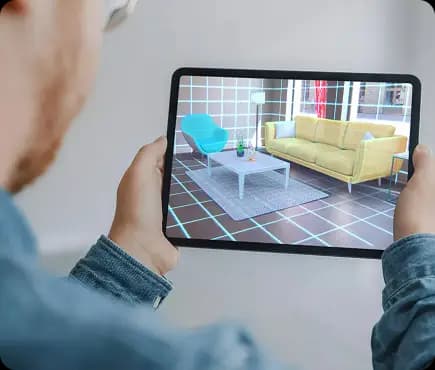
App AR excels in: warehouse navigation, medical training, real estate tours—especially when performance and persistence matter.
Deep hardware performance (e.g., 3D mapping, environmental interaction)
In many cases, the smartest move is a hybrid approach:
Follow up with an App AR build for those who want full immersion—think immersive product demos, training modules, or long-term use.
This funnel maximizes reach without sacrificing depth.
Choosing between WebAR and App AR comes down to your goals:
Ready to explore? Let’s craft your AR strategy—from quick wins with WebAR to immersive App experiences designed for tomorrow.