Blog
Penafian : 3D rendering is transforming real estate pre-sales, investor presentations, and architectural marketing by turning unbuilt designs into photorealistic, interactive virtual experiences.

Arjun Patel, Head of Immersive Innovation
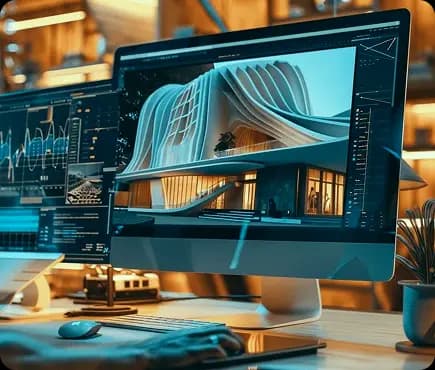
3D rendering in real estatecreates realistic digital representations of architectural spaces before they are physically constructed. By transforming 2D architectural blueprints, CAD drawings, and BIM models into photorealistic visuals, developers and marketing teams can communicate exact layouts, materials, lighting, finishes, and spatial depth.
Rather than relying on flat floor plans that leave buyers guessing, 3D architectural visualization bridges the imagination gap. Whether through still exterior imagery, interior CGI, 360-degree virtual walkthroughs, or real-time interactive environments, real estate 3D rendering empowers prospective buyers and investors to experience a property with emotional conviction.
Selling properties before or during construction is notoriously challenging when buyers cannot physically walk through the space. Photorealistic 3D renders provide tangible visual proof, sparking an immediate emotional connection and giving buyers the confidence to sign purchase agreements early.
Furnishing and staging a physical showroom or model apartment requires substantial capital, logistics, and ongoing maintenance. Virtual staging allows developers to showcase multiple interior aesthetics—from modern Scandinavian to classic luxury—at a fraction of the cost, with zero physical footprint.
Spotting architectural flaws or material mismatches on-site during construction is expensive. 3D visualization allows developers, architects, and buyers to iterate on wall layouts, lighting fixtures, and material finishes in real time digitally, preventing costly change orders down the road.
A single high-fidelity 3D model can be leveraged across marketing channels: high-resolution hero renders for billboards, cinematic fly-through reels for social media, interactive virtual tours for website listings, and VR presentations for high-net-worth investor meetings.
Different stages of the real estate lifecycle demand tailored visualization techniques. Below is a breakdown of the primary rendering types used by modern developers:
Exterior Renderings: Focuses on facade materials, landscaping, natural sunlight orientation, night illumination, and contextual neighborhood integration. Ideal for master plan approvals and hero billboard marketing.
Interior Renderings & Staging: Details room-by-room furnishings, architectural millwork, textiles, reflective surfaces, and ambient lighting. Ideal for sales brochures and online unit listings.
3D Architectural Walkthroughs: Cinematic, guided camera fly-through animations simulating a continuous physical journey through the property. Ideal for investor pitches and digital advertising.
Interactive 3D Configurators: Real-time 3D applications that empower prospective buyers to customize flooring, countertop granite, cabinetry, and wall colors on demand.
While static photorealistic images remain essential, high-end real estate buyers increasingly expect dynamic immersion. 3D architectural walkthroughs simulate genuine spatial flow—showing how light floods a living room at sunset or how the kitchen seamlessly connects to an outdoor patio.
Through advanced
3D design and visualization services
, real estate developers can turn architectural plans into cinematic narrative assets that make unbuilt luxury developments feel tangible and irresistible.
While often used interchangeably in casual conversation, 3D modeling and 3D rendering are two distinct stages in the visualization pipeline:
3D Modeling (The Structure): The geometric process of building wireframes, volumetric solids, walls, columns, and structural elements based on CAD coordinates. It defines shape, scale, and spatial boundaries without realistic color or surface physics.
3D Rendering (The Photography): The computational process of applying physically based textures (PBR materials), realistic sunlight, bounce reflections, shadow depth, atmospheric fog, and camera lens optics onto the 3D model. It transforms raw geometric meshes into a finished, photorealistic image or animation.
To maximize ROI on 3D visualization assets, enterprise teams follow a structured roadmap:
1. Consolidate Architectural Files: Gather comprehensive CAD elevations, floor plans, landscape layouts, and finish schedules (materials, colors, and lighting specs).
2. Define Target Buyer Personas: Tailor virtual staging and interior decor to resonance with your ideal demographic—whether modern urban professionals or high-net-worth suburban families.
3. Select Strategic Deliverable Formats: Choose the right mix of hero exterior stills, interior staging packs, and cinematic walkthrough animations aligned with your campaign launch timeline.
4. Partner with Immersive Specialists: Collaborate with experienced studios proficient in high-end CGI and
spatial computing solutions
to ensure scale accuracy and photorealistic fidelity.
"In 2025, buyers don't just want to see floor plans—they want to envision their life inside the space before the foundation is even poured."
3D rendering has transitioned from a supplementary marketing add-on to the central pillar of modern real estate sales strategy. By replacing abstract blueprints with photorealistic visuals and interactive walkthroughs, property developers eliminate buyer hesitation, accelerate pre-sales velocity, and build lasting investor confidence.
Whether planning an upcoming residential development, a commercial complex, or luxury hospitality suites, investing in high-fidelity 3D visualization guarantees your project commands immediate market attention.
