Blog
면책 조항 : This will take about 8–10 minutes to read. Grab your favorite drink, get comfy, and let's explore the spectrum of immersive technologies—AR, VR, and MR—and when each shines.

Arjun Patel, Head of Immersive Innovation
A few years ago, “augmented,” “virtual,” and “mixed” reality all felt like marketing buzzwords. I’d nod knowingly—then move on. Fast-forward to now, and I can’t believe I ever did. In 2025, these are distinct tools—each with unique value, excitement, and applicability.
Back in late 2023, we ran a side-by-side demo:
A AR app that overlaid product specs on physical models;
A VR demo that dropped users into a fully digital showroom;
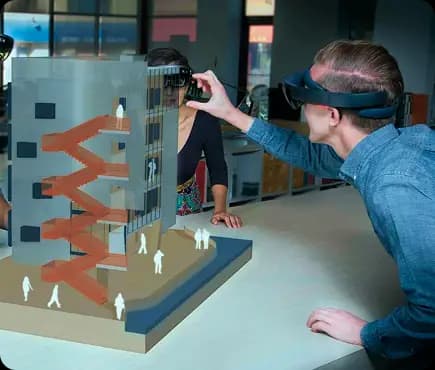
A Mixed Reality (MR) experience where virtual objects stayed anchored to your real-world desk.
The reactions? Clients who scoffed at AR suddenly leaned in. They felt VR. And MR? That was the “Whoa.”
That day, the differences became clear—and powerful.
Adds digital elements to your real-world view—e.g., product overlays on shelves.
Adds digital elements to your real-world view—e.g., product overlays on shelves.
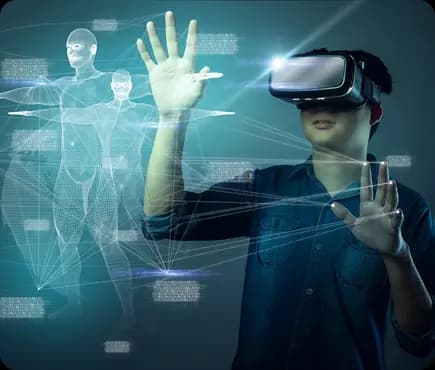
Immerses you in a fully virtual world—e.g., walking through virtual spaces.
Immerses you in a fully virtual world—e.g., walking through virtual spaces.
Think: AR informs, VR transports, MR merges.
AR is great for live sales—imagine scanning a product and seeing specs pop up in real-time. Want to explore packaging’s impact? See AR Packaging and how WebAR underpins "how product packaging comes alive."
VR shines in full immersion—like OBMOVE’s virtual showrooms for vehicles, letting customers walk inside a car from anywhere.
MR is for hybrid experiences—what if a retailer could place a 3D product preview directly on a user’s desk, anchored in real space?
Instant engagement via mobile—think WebAR scans, interactive packaging, or AR-enabled brochures. Your readers can check out our AR Printing and AR Presentations blogs for practical inspiration.
Full immersion—like virtual tours or training simulations that leave no distraction outside the headset.
Interaction between real and virtual matters—think spatially anchored workshops, design reviews, or live collaboration.
Often, the best experiences blend these realities:
Launch with a WebAR teaser—a quick glance at what’s next.
Invite high-engagement users into VR portals for deeper exploration.
Offer MR collaboration tools for remote design or training sessions that feel anchored in reality.
That layered path—from light to immersive—can maximize reach and impact.
Expect what’s next: AR becoming smarter with voice and AI, VR sessions going multi-user with shared virtual spaces, and MR becoming seamless—no headset lag, fully natural interactions.
This isn’t sci-fi—it’s on the horizon.
ExAR, VR, and MR aren’t interchangeable. They're complementary. In 2025, savvy businesses will choose not just based on wow-factor, but on purpose:
Want to architect immersive strategies tuned to your business? Let’s design your future—together.