Blog
면책 조항 : This blog is intended for informational purposes only and provides general insights into AR, VR, and MR technologies

Jonnah Razel
The world of immersive technology is evolving rapidly, and terms like Augmented Reality (AR), Virtual Reality (VR), and Mixed Reality (MR) are shaping how businesses innovate in 2025. While many use these technologies interchangeably, each offers unique capabilities that serve different industries and business goals.
In this blog, we’ll break down the key differences between AR, VR, and MR, and explore real-world business use cases that highlight their impact across industries.
Augmented Reality overlays digital content—like 3D models, navigation arrows, or interactive elements—onto the real world through devices such as smartphones, tablets, or AR glasses. Business Use Cases in 2025:
Retail & eCommerce: Virtual try-ons for clothing, furniture, or cosmetics.
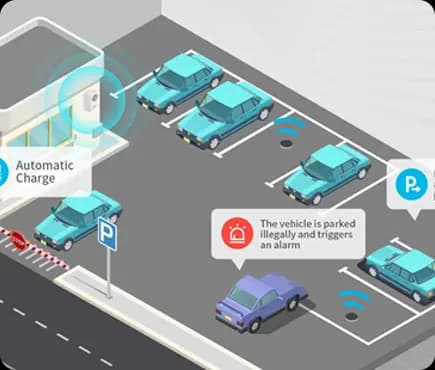
Navigation & Automotive: AR dashboards like Obpark providing real-time parking and driving assistance.
Marketing & Advertising: AR-powered campaigns that turn static ads into interactive experiences.
Key Advantage:AR enhances the physical world without removing you from it—making it highly effective for customer engagement and productivity tools.
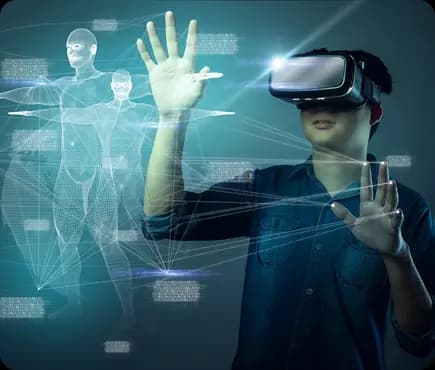
Virtual Reality immerses users in a completely digital environment, shutting out the real world. It requires VR headsets like Meta Quest or HTC Vive.
Product Design & Engineering: Real-time collaboration on 3D models with interactive prototypes.
Healthcare: Surgeons overlaying digital scans onto a patient during live procedures.
Remote Collaboration: Teams working inside shared mixed reality spaces, reviewing designs or workflows together.
Key Advantage:MR merges the best of AR and VR, creating true hybrid experiences where digital and physical elements coexist.
Real world + digital overlay
Real world + digital overlay
Fully digital world
Fully digital world
Real + digital interactive
Real + digital interactive
Real world + digital overlay
Real world + digital overlay
Fully digital world
Fully digital world
Real + digital interactive
Real + digital interactive
Smartphones, AR glasses
Smartphones, AR glasses
VR headsets
VR headsets
MR headsets
MR headsets
Smartphones, AR glasses
Smartphones, AR glasses
VR headsets
VR headsets
MR headsets
MR headsets
Low to medium
Low to medium
High
High
Medium to high
Medium to high
Low to medium
Low to medium
High
High
Medium to high
Medium to high
Navigation, marketing, retail
Navigation, marketing, retail
Training, real estate, entertainment
Training, real estate, entertainment
Collaboration, design, healthcare
Collaboration, design, healthcare
Navigation, marketing, retail
Navigation, marketing, retail
Training, real estate, entertainment
Training, real estate, entertainment
Collaboration, design, healthcare
Collaboration, design, healthcare
Immersive technologies are no longer experimental—they are becoming essential tools for digital transformation. From improving training efficiency to delivering unforgettable customer experiences, AR, VR, and MR are creating measurable value across industries.
Forward-thinking companies adopting spatial computing today are building the competitive edge of tomorrow.
While AR, VR, and MR each serve different purposes, together they represent the future of immersive business operations. Whether it’s guiding drivers with AR, creating full VR training simulations, or enabling MR collaboration in design, these technologies are reshaping industries in 2025.
At Obrive Industries, we’re powering this shift with solutions like Obpark (AR navigation) and Obnest (MR/VR real estate platform), helping businesses transform how they operate in the spatial era.